TL;DR: For most of the 19th century, pharmacists mixed carbonated water with cocaine and caffeine at the counter and handed it directly to customers in a glass. The bottled soda industry only became possible in 1892, when the crown cap was patented to keep CO2 from escaping, and the iconic glass bottle shape that defined the 20th century inspired a 1937 patent by Eugene Kelly of Toronto that was never allowed into regular production. Original patent art prints are available framed or unframed.
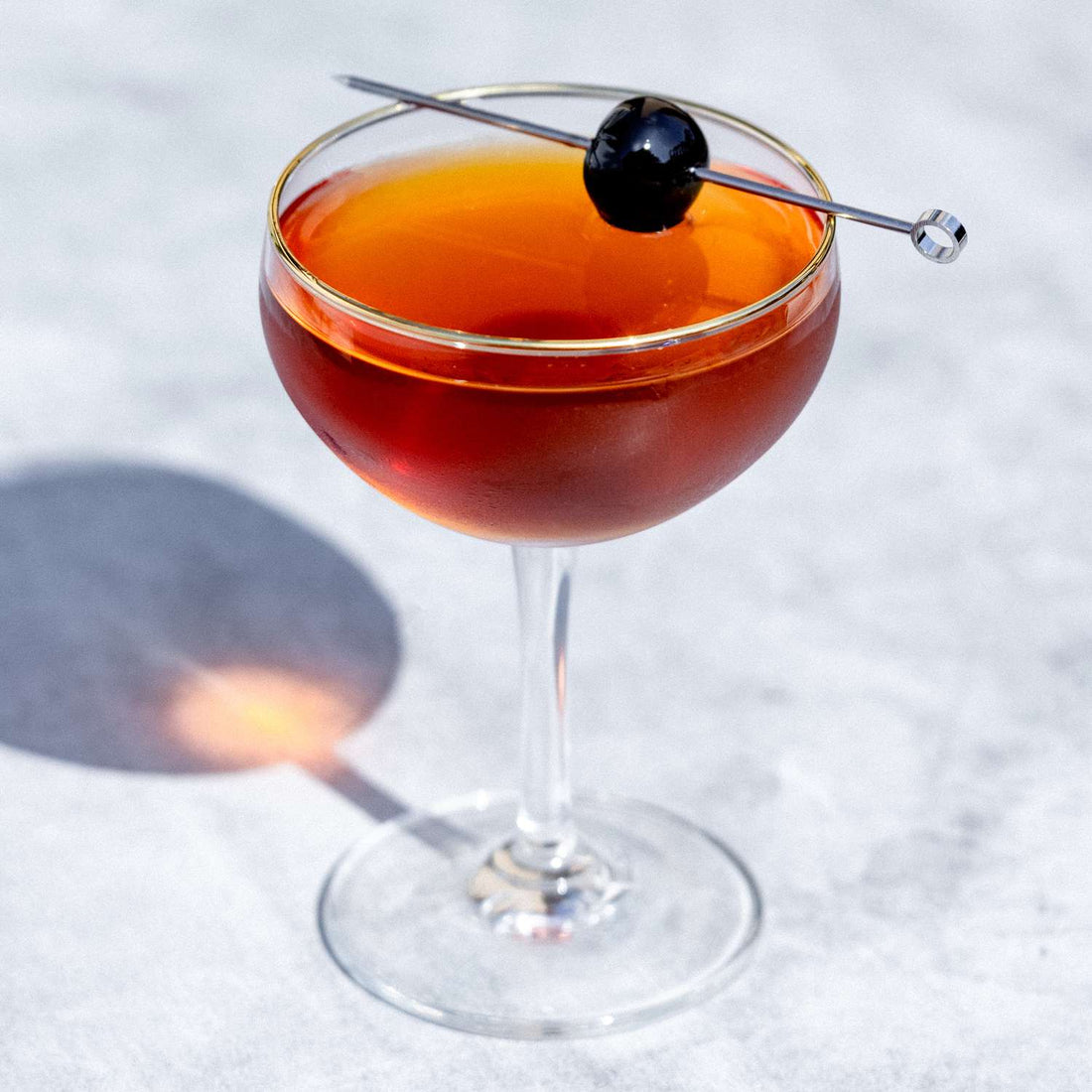
Before Coca-Cola was a bottle, it was a prescription. Before it was a prescription, it was a glass of carbonated water handed across a pharmacy counter, mixed on the spot by a pharmacist who may or may not have measured the cocaine.
The history of the soda bottle is really the history of how a medicinal product dispensed by trained professionals became one of the most mass-produced objects in human history. The bottle was not the beginning of that story. It was the point at which the story became industrial.
The Discovery of Carbonation
The fizz in carbonated water was a scientific mystery before it was a commercial product. Mineral springs at locations like Spa in Belgium, Vichy in France, and Selters in Germany produced naturally carbonated water that was believed to have medicinal properties. Visitors traveled to these springs for cures. The water was bottled and transported, at considerable expense and with considerable loss of carbonation, to wealthy customers who could not make the journey.

In 1767, English chemist Joseph Priestley suspended a bowl of water over a fermenting vat at a brewery in Leeds and discovered that the resulting gas, carbon dioxide, dissolved into the water and produced a pleasant tart taste. He described the process in a 1772 paper, "Impregnating Water with Fixed Air," and the scientific basis for artificial carbonation was established.
Jacob Schweppe, a Swiss watchmaker and amateur chemist in Geneva, read Priestley's work and spent several years refining the process into something commercially viable. By 1789, Schweppe was selling artificially carbonated seltzer water in Geneva. He moved to London in 1792, and the Schweppe company began supplying carbonated water to London physicians who prescribed it for digestive complaints. The name Schweppes survives today because Schweppe was the first person to figure out how to scale Priestley's laboratory experiment into a business.
In 1798, the term "soda water" appeared in print for the first time, a reference to the sodium bicarbonate sometimes added to carbonated water to adjust its mineral content. The name stuck even after sodium bicarbonate was replaced by other compounds.
The Soda Fountain and the Pharmacy Counter
The soda fountain, introduced to American drugstores by inventor Samuel Fahnestock in 1819, became one of the defining institutions of 19th-century American social life. By the mid-1800s, the marble-topped soda fountain counter had become the social center of the American neighborhood drugstore, a place to gather, socialize, and consume flavored carbonated beverages prepared fresh by the soda jerk behind the counter.

The pharmacy connection was not accidental. Pharmacists were the people with both the equipment to handle pressurized carbonated water and the chemical knowledge to create the flavoring syrups that made it palatable. Many of the flavoring agents they used were derived from medicinal compounds: extract of coca leaf (cocaine), caffeine from the kola nut, root beer from sassafras bark, and ginger beer from ginger root. The line between medicine and beverage was deliberately blurred in the marketing of the era.
The brand names that emerged from these pharmacy counters are now among the most valuable in the world. Dr Pepper was created in 1885 by pharmacist Charles Alderton in Waco, Texas. Coca-Cola was created in 1886 by Atlanta pharmacist John Stith Pemberton, who marketed it as a patent medicine for headaches and morphine addiction. Pemberton's original formula included extract of coca leaf and kola nut. The cocaine was not removed from Coca-Cola's formula until 1903.

The Bottle Problem
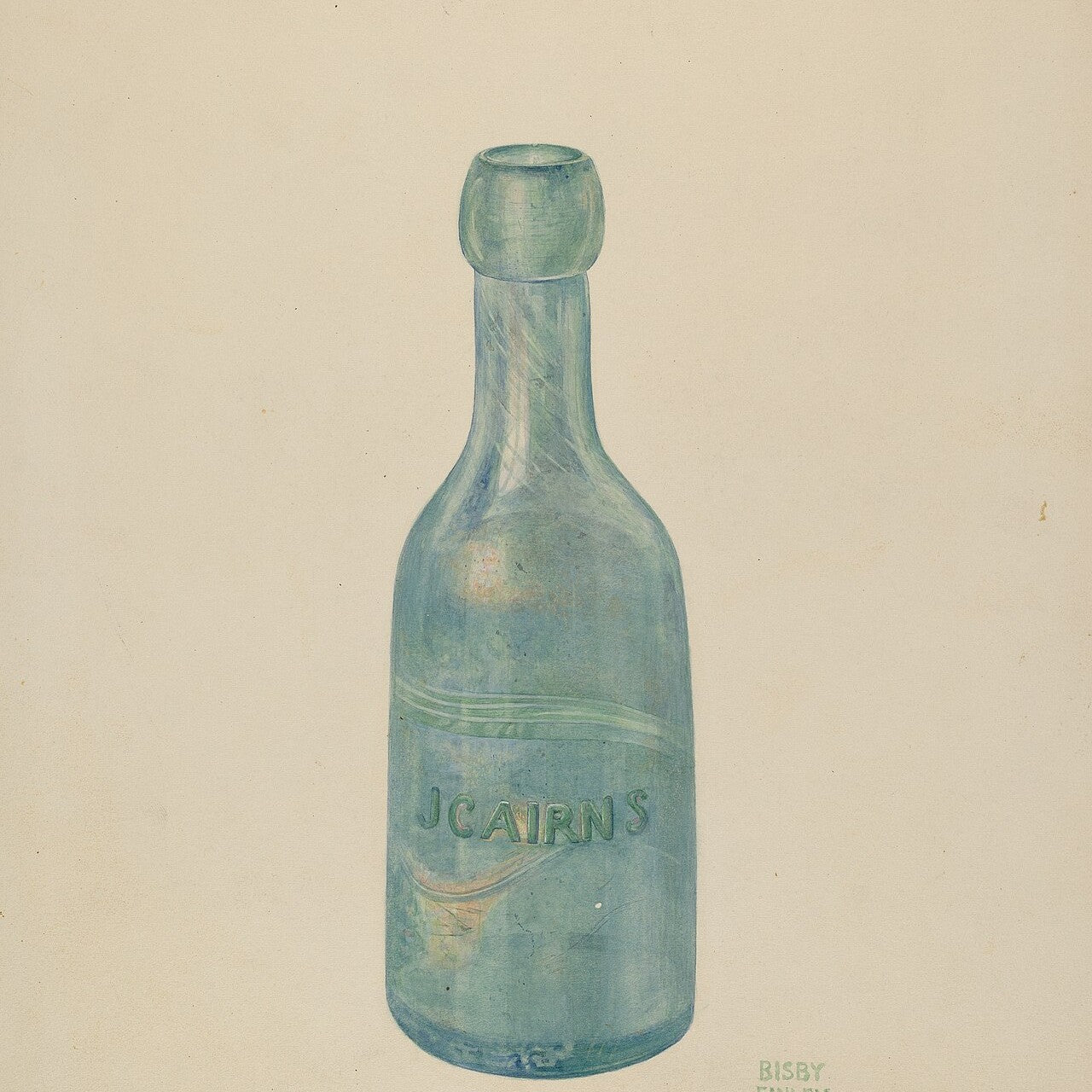
Bottling carbonated beverages was an engineering challenge that resisted easy solution for decades. Carbon dioxide under pressure escapes through the smallest imperfection in a seal. Early attempts to bottle soda used cork stoppers, which allowed slow gas leakage and sometimes blew out violently when the pressure built. Glass bottles of the era were handblown and inconsistent in thickness, cracking under pressure without warning.
Various inventors proposed solutions throughout the 19th century. The Codd bottle, patented in 1872 by British engineer Hiram Codd, used a glass marble held in place by the internal pressure of the carbonated water to seal the neck. It worked, but opening the bottle required pressing the marble down past a rubber gasket, which annoyed customers and made the bottle difficult to use.
The solution that actually worked was patented in 1892 by William Painter of Baltimore: the crown cap, a circular metal disc with a crimped edge and a cork lining that sealed bottle necks under pressure when crimped onto them by a mechanical capper. The crown cap was inexpensive, reliable, and compatible with machine-filling operations. It made mass production of bottled carbonated beverages economically feasible for the first time.
The crown cap required a standardized bottle neck, and standardized bottle necks required consistent bottle manufacturing. The development of semi-automatic glass bottle machines in the 1880s and the fully automatic Owens bottle machine in 1903 made consistent, inexpensive glass bottles available in large quantities. The glass soda bottle industry was born from the intersection of Painter's crown cap and the Owens machine.
The Iconic Bottle Shape and the 1937 Patent
By the 1920s, the glass soda bottle had become one of the most recognizable objects in American visual culture. Coca-Cola's contour bottle, designed in 1915 by the Root Glass Company of Terre Haute, Indiana, was so distinctive that the company had trademarked its shape. The contour bottle was designed specifically to be identifiable in the dark and to be distinguishable from any other bottle in existence.
The commercial success and cultural visibility of the Coca-Cola bottle inspired imitators, admirers, and inventors. In 1937, Eugene Kelly of Toronto, Ontario filed a U.S. patent for an ornamental bottle design that bore a striking resemblance to the classic Coke bottle, featuring the same curved waist and flared base that defined the contour silhouette. Kelly's patent covered the ornamental design only, not the functional aspects of the bottle.
The patent was granted, but with a restriction that limited its use to toys or other memorabilia rather than actual beverage containers. The design was never produced at commercial scale as a functional bottle. It exists as a snapshot of how powerful the glass soda bottle's visual identity had become: compelling enough that an inventor in Toronto thought a patented variation was worth pursuing, and a reminder of how thoroughly Coca-Cola had made a bottle shape into cultural property.
The Transition to Aluminum and Plastic
The glass bottle's reign as the dominant beverage container began to end after the Second World War. Aluminum cans, first used for beer in 1935 and introduced for soft drinks in the early 1960s, offered significant advantages in weight and cost. Steel cans preceded aluminum and were in wide use by the 1950s. The two-liter plastic PET bottle, introduced in 1970 by Nathaniel Wyeth of DuPont, added a lightweight, unbreakable option for high-volume retail.
By the 1980s, glass bottles had been largely displaced for everyday soft drink consumption in the United States. They survived in premium and specialty markets, in international markets where recycling infrastructure made refillable glass bottles economically competitive, and as a nostalgic format for brands seeking a retro association. The "Mexican Coke" sold in the United States, made with cane sugar rather than high-fructose corn syrup and packaged in a glass contour bottle, is partly a flavor product and partly a design statement.
From Priestley's Bowl to the Modern Soda Industry
The carbonated beverage industry traces a direct line from Priestley's 1767 experiment over a brewery vat to a global market that now sells roughly 400 billion liters of carbonated soft drinks per year. The key steps were Schweppe's commercialization of the process, the pharmacy soda fountain as a social institution, the crown cap that made bottling viable, the Owens machine that made consistent bottles cheap, and the contour bottle that made a shape into a trademark.
Kelly's 1937 patent sits at the peak of the glass bottle's cultural prominence, a moment when the soda bottle had become iconic enough to inspire its own design patents and legal restrictions. The drawing captures the geometry that defined the beverage industry for half a century, filed by one man in Toronto who saw the same thing every American saw when they looked at a soda bottle: something worth preserving in a document.
Frequently Asked Questions
When was carbonated water invented?
Joseph Priestley dissolved carbon dioxide into water in 1767 while working near a brewery in Leeds, England, establishing the scientific basis for carbonation. Jacob Schweppe commercialized the process starting in 1789 in Geneva, and by 1792 had established a business in London selling carbonated water to physicians. The term "soda water" entered common use around 1798.
When was Coca-Cola invented?
Coca-Cola was created in 1886 by Atlanta pharmacist John Stith Pemberton, who originally marketed it as a patent medicine for headaches and morphine addiction. The original formula included extract of coca leaf, which contains cocaine, and kola nut extract, which contains caffeine. The cocaine content was removed from the formula in 1903. The Coca-Cola Company was incorporated in 1892, and the iconic contour bottle was designed in 1915 by the Root Glass Company.
Written by Rider Tuff, founder of Timeless Patents. Timeless Patents makes museum-quality patent art prints from original U.S. Patent Office documents, celebrating the inventors and designs behind everyday objects. Every print is available framed or unframed. Shop the full collection →